Ramadan is a time of spiritual reflection, discipline, and community—but fasting from dawn to sunset can challenge your hydration, energy levels, and overall well-being. With the right nutrition strategies, you can maintain steady energy, avoid dehydration, and feel your best throughout the month.
1. How to Stay Hydrated During the Fast
You cannot drink during fasting hours, so hydration depends entirely on what and how much you drink between iftar and suhoor.
Hydration tips that work:
Aim for 6–8 cups of fluid between iftar and suhoor. Drink slowly over several hours, not all at once. Start with water at iftar, then continue sipping through the evening. I suggest a cup per non fasting hour. Include hydrating foods: watermelon, oranges, cucumbers, yogurt, soups as a part of sahoor or iftari.
Use electrolytes naturally: coconut water, milk, and fruit help replace minerals.

Avoid or limit:
Excess caffeine (coffee, tea, energy drinks) → increases fluid loss Sugary drinks → cause energy crashes and worsen thirst Salty and fried foods → increase dehydration.
Pro tip: Your urine color should be pale yellow between sunset and dawn—that’s a sign of good hydration.
What to Eat at Sahoor for Sustained Energy.
Suhoor is your foundation meal. The goal is to provide slow, steady energy and prevent hunger crashes.
Build the perfect suhoor using 3 components:
1. Slow-digesting carbohydrates
These release energy gradually:
Examples: Oatmeal, Whole grain bread, Quinoa, Brown rice.

2. Protein for fullness and muscle maintenance
Protein slows digestion and keeps you full longer.
Examples: Eggs Greek yogurt Cottage cheese Nuts and seeds Protein smoothies.

3. Healthy fats for sustained energy
Fats slow stomach emptying and stabilize blood sugar.
Examples: Avocado Nut butters Chia seeds Olive oil.

Example balanced suhoor:
Oatmeal with chia seeds, berries, and almonds Greek yogurt.
Avocado and eggs on toast or try Make a toast to remember!!
Power packed protein shakes with whey, milk, dates, oatmeal/chia and fruits.
The best way to break your fast (Iftar):
Your body has been fasting for many hours, so breaking your fast gently helps avoid digestive discomfort and energy crashes.
Step 1: Start with dates and water
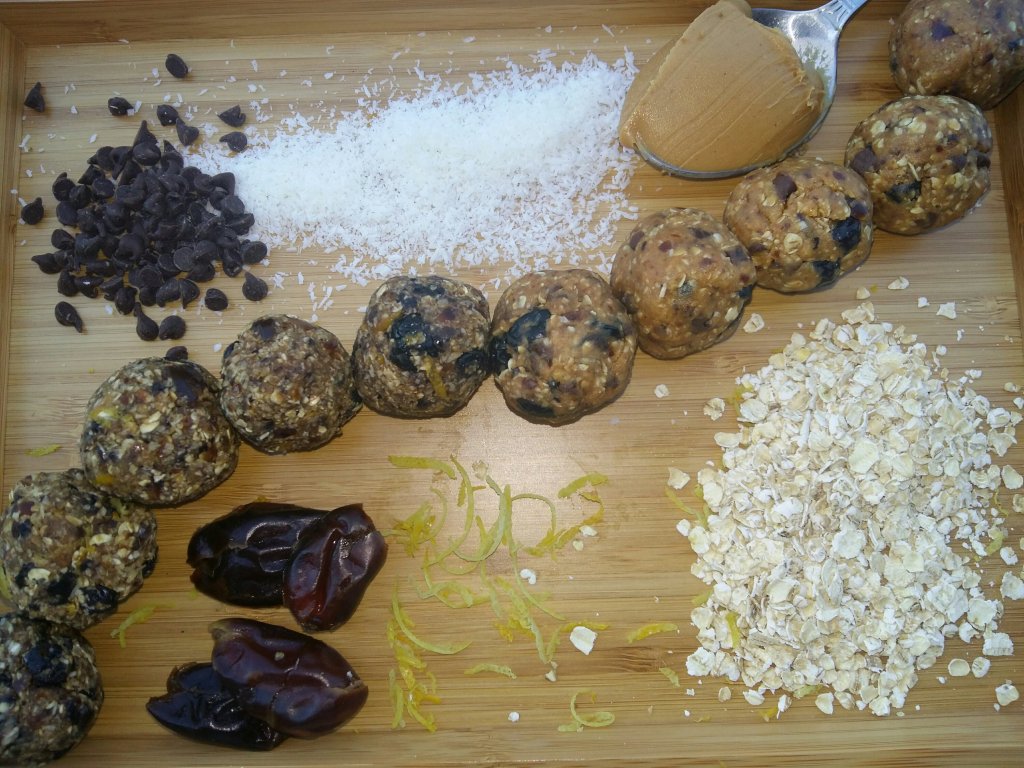
Dates provide natural sugar for quick energy. They are rich in potassium which supports rehydration. 1-3 dates should do it. You can also try my power ball recipes (link below picture) and store in advance!
Step 2: Pray and pause
This gives your digestive system time to activate.
Step 3: Eat a balanced meal
Include:
Protein: chicken, fish, lentils, beans.
Carbohydrates: rice, potatoes, whole grains Vegetables: fiber supports digestion.
Healthy fats: olive oil, nuts (not fried)!
Excellent iftar examples:
Lentil soup. Heart healthy lentil soup
Grilled or curry chicken, rice, and salad. Salmon, roasted vegetables, and quinoa. Chickpea curry with whole grain roti. Vegan Buddha Bowls

4. Common Nutrition Mistakes to Avoid
Overeating fried foods → causes fatigue and weight gain.
Skipping suhoor → leads to severe energy crashes.
Drinking too little water → increases dehydration risk.
Excess sugar → causes rapid spikes and crashes.
Salty foods —> causes thirst and dehydration.
Ramadan is not about eating more—it’s about eating smarter.
5. Bonus Tips for Energy and Well-Being
Sleep adequately to support recovery.
Eat slowly and mindfully.
Light activity like walking can improve energy.
Final Takeaway
A successful Ramadan fast depends on hydration, balanced suhoor, and a gentle, nutritious iftar. Focus on whole foods, adequate fluids, and steady energy sources. When done properly, fasting can improve metabolic health, digestion, and overall well-being.
Need more ideas? See my past Ramadan post below!
Ramadan Special: What does a dietitian eat in Ramadan? Recipes included!!
Tips and Tricks. Preparing for Ramadan.
5 Key Nutrients for a Healthier Ramadan
 dietitianonadiet.com