Don’t forget to subscribe via email to get the blog into your email box!
Ramadan fasting places unique demands on the body. Long hours without food or water can lead to dehydration, fatigue, hunger, and energy crashes. Choosing the right foods at suhoor and iftar can make a significant difference in how you feel throughout the day. One of the most powerful, simple additions to your Ramadan nutrition plan is chia seeds.
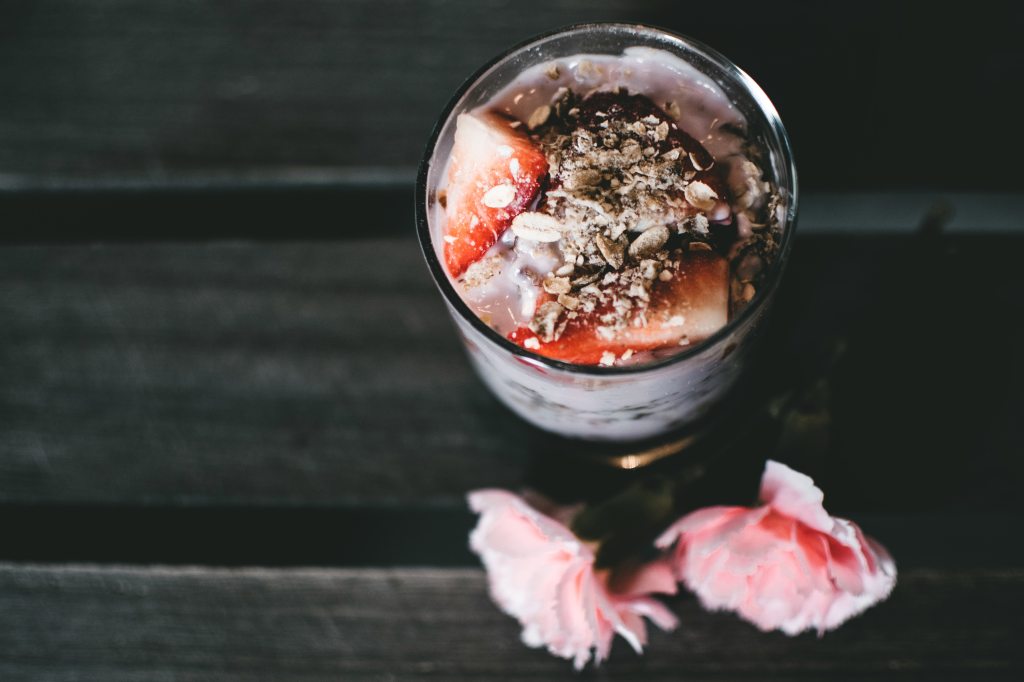
1. Chia Seeds Help Maintain Hydration
Chia seeds can absorb up to 10 times their weight in water, forming a gel-like texture. This gel slows the release of fluids in your digestive system, helping you stay hydrated longer.
This is especially important during Ramadan, when you cannot drink water throughout the day. Consuming hydrated chia seeds at suhoor helps your body retain fluid and reduces feelings of thirst.
Tip: Mix 1 tablespoon chia seeds with 1 cup water and let sit for 10–15 minutes before drinking.
2. They Provide Long-Lasting Energy
Chia seeds contain a balanced combination of carbohydrates, fat, protein, and fiber. This slows digestion and provides a steady release of energy.
Unlike refined carbohydrates, which cause energy spikes and crashes, chia seeds help maintain stable blood sugar levels. This means fewer energy dips, less fatigue, and better focus during fasting hours.
3. They Reduce Hunger and Increase Fullness
Chia seeds are rich in soluble fiber. When mixed with liquid, they expand in the stomach, helping you feel full longer.
This is particularly helpful at suhoor, when you want foods that sustain you throughout the fast.
Benefits include:
Reduced hunger Less overeating at iftar Improved portion control Better appetite regulation
4. They Support Digestive Health
Changes in eating patterns during Ramadan can affect digestion. Chia seeds support gut health by providing fiber that promotes regular bowel movements and supports beneficial gut bacteria.
This can help prevent common Ramadan digestive issues like constipation.
5. They Provide Important Nutrients
Chia seeds are rich in:
Omega-3 fatty acids → support heart and brain health Magnesium → supports energy production Calcium → supports bone health Iron → supports oxygen transport and reduces fatigue
These nutrients are especially important during fasting periods.
How to Use Chia Seeds During Ramadan
At Suhoor (Best Time)
Add to water or milk Mix into yogurt Add to overnight oats Blend into smoothies
At Iftar
Add to smoothies Make chia pudding with dates and milk Add to fruit bowls
Simple Ramadan Chia Drink Recipe
1 tablespoon chia seeds 1 cup water or milk Optional: squeeze of lemon or 1 chopped date
Let sit 10–15 minutes. Drink at suhoor.
Final Takeaway
Chia seeds are one of the most effective, evidence-based foods to support fasting. They help maintain hydration, stabilize energy, reduce hunger, and support overall health.
A small tablespoon at suhoor can significantly improve how you feel during your fast.
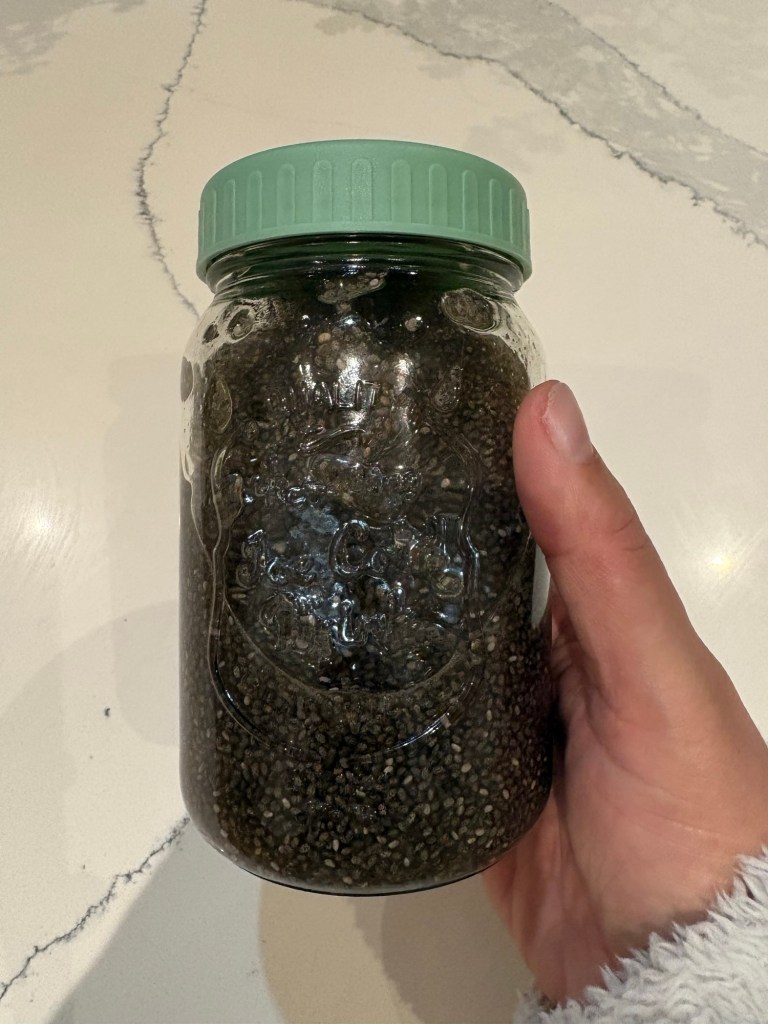
Quick ways to add chia seeds:
Basic Soaked Chia Seeds (Ramadan Prep Recipe)
This is your base. Make once, use all week.
Ingredients
4 tbsp chia seeds 2 cups water (or milk)
Instructions
Add chia seeds to a jar. Pour in water or milk. Stir well to prevent clumping. Let sit 10–15 minutes, stir again. Refrigerate. Keeps for up to 5 days.
Texture: Gel-like and ready to mix into anything.
How to Use (Add 1–2 tbsp per serving)
1. Add to Yogurt (Best for Suhoor)
¾ cup Greek yogurt 1–2 tbsp soaked chia Add fruit, nuts, or dates
Benefit: Protein + fiber = long-lasting fullness
2. Add to Smoothies
Blend with:
Milk Protein powder Banana or berries 1–2 tbsp soaked chia
Benefit: Slows digestion → steady energy
3. Add to Water (Hydration Booster)
1 cup cold water 1 tbsp soaked chia Optional: lemon + pinch salt
Benefit: Improves hydration retention during fasting
4. Add to Oatmeal
Stir into warm oats after cooking
Benefit: Extra fiber → prevents hunger crashes
Dietitian tip for Ramadan!
Use 1–2 tbsp soaked chia at suhoor to:
Stay hydrated longer Reduce hunger Maintain steady energy

 dietitianonadiet.com